
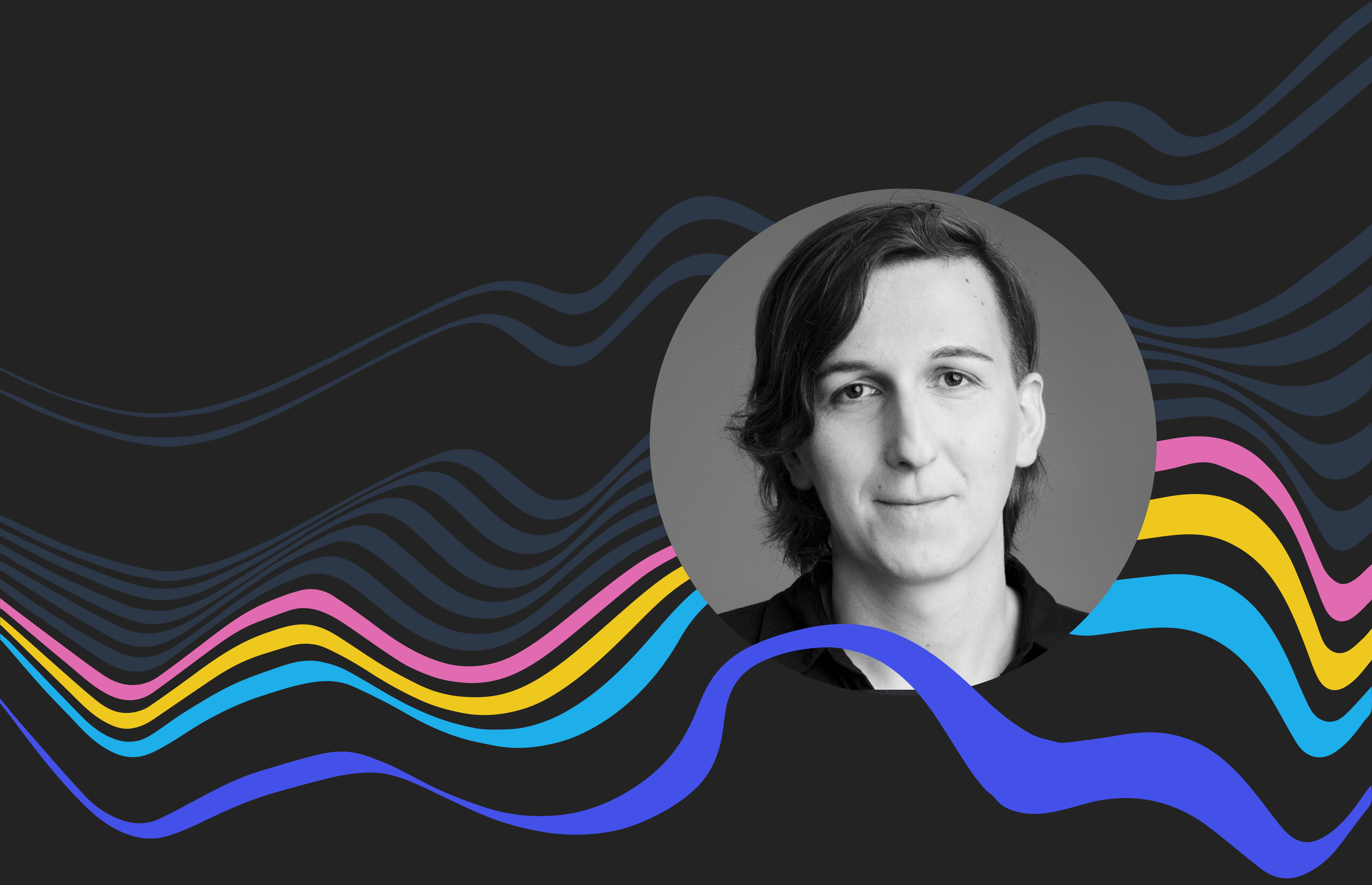

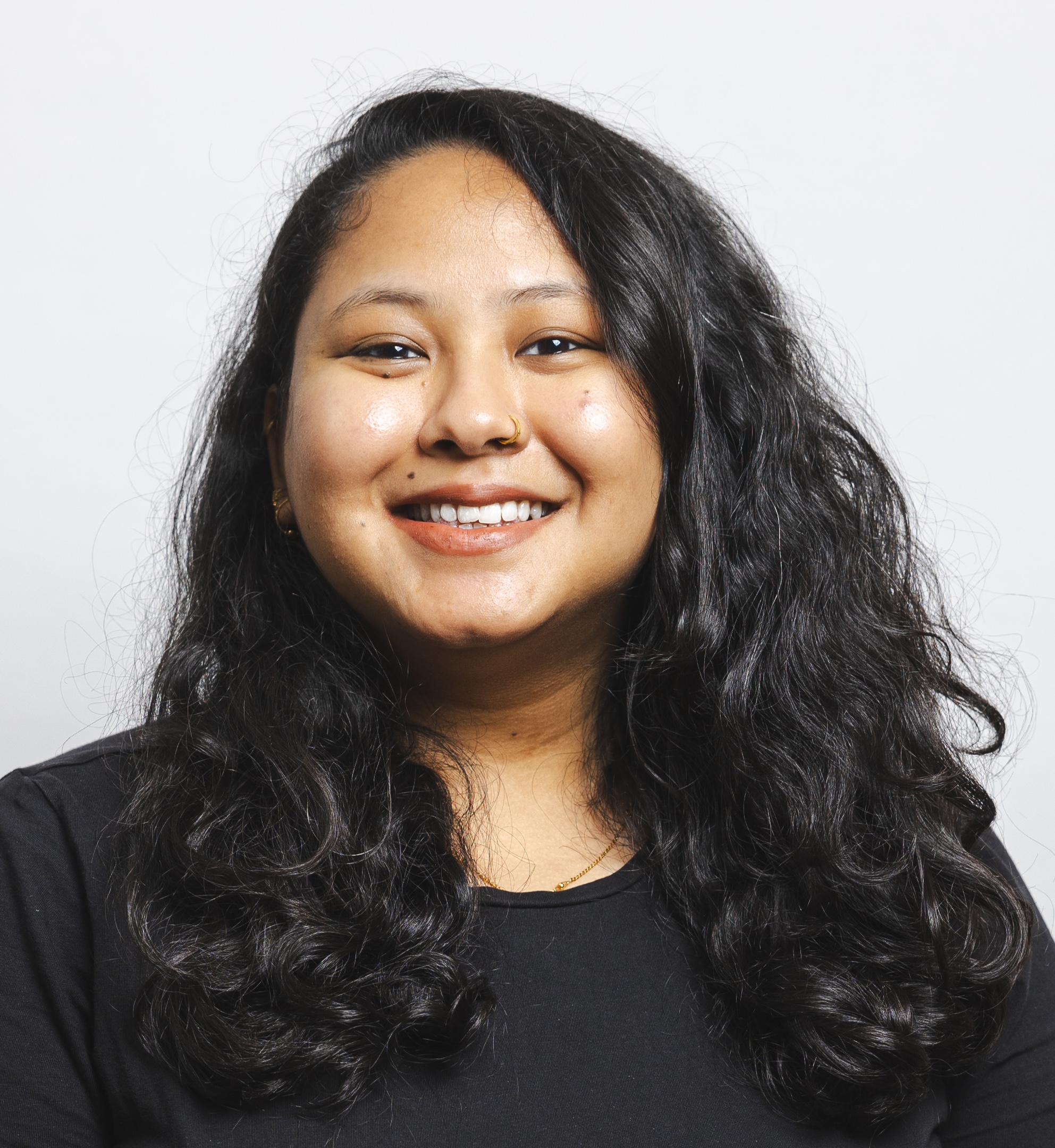
jackie builds software, courses, and communities. Moving between universities, hackerspaces, and product teams, she combines technical craft with a commitment to inclusion. She has a passion for taking systems apart and rebuilding them with people in mind. Her teaching across institutions and topics from software engineering to feminist techno-science invites students and practitioners to rethink how technology gets made. In this conversation, jackie talks about identity, imposter feelings, and opening rooms where more of us can belong and contribute.
What initially drew you into tech, and how did your values shape your journey?
I grew up in a carpenter’s family. No one touched computers, but I was born in ’83 — the timing lined up. I was the first in my family to use a computer. I also grew up with a boy’s socialization and helped in the workshop. Tech didn’t feel foreign. It was fascinating, and I could tinker on my own — a good fit for someone who’s more introverted unless there’s a defined role on a stage or at an event.
In school I picked “Technical Informatics and Internet engineering”, which was the hot label in the late 90s. I was the first in my family to go into computers, and I enjoyed it. But even then I noticed a habit in tech which felt very male-oriented - “we do things just because we can, and to get rich”.
After finishing technical school, my first impulse was to get out. I studied philosophy, moved to Vienna, and also began realizing my male identity didn’t fit. That period was heavy with depression.
I switched back to TU Wien for computer science — honestly because it felt like the easier path to keep my stipend requirements on track. I mixed courses: robotics, “computer science and society.” I took my time, six years for the bachelor, because I was also reading philosophy, gender studies, feminism.
After that I “got out” again: a master’s in Science and Technology Studies (STS). I wanted something anchored in tech, but the program at the University of Vienna was new, international, in English — perfect. The stipend ended, so I worked in IT — operations, systems, network — and studied on the side.
I realized STS is great for critique, but I also wanted to do things differently, not just analyze them. I tried education technologies at TU, but working and studying there is hard. So I did an extra-occupational master in information security. If you take security seriously, it’s about humans more than machines. The human is the “flaw” everyone tries to fix with tech — which rarely works. That clicked with me: take systems apart and rebuild, but keep people at the center.
Eventually I taught more — partly by accident. My job at the University of Applied Arts Vienna was backend development, but they asked if I’d teach coding to students. Other courses followed: software engineering at FH, feminist technoscience at TU, and recently ethical hacking at FH Salzburg. It’s stressful to build courses from scratch, and I have a perfectionist streak — maybe compensation for being a hybrid across fields — but bringing perspectives together is worth it. It’s not always easy. Still, it’s the work that feels right.
How do feminist or queer perspectives reshape the way we build technology?
By opening the room. I mean, a “Feminist perspective” is never just a feminist perspective — it’s a bundle of perspectives usually. So if you take feminism seriously, you have to know that its feminisms with multiple standpoints. Even if you only added one more lens that’s seen as “non-technical,” you’d already widen the field. You stop pretending one product can fit everyone. You see different societal problems. You consider building different things for different needs.
The challenge is making room for that work. Teams run on efficiency and deadlines. Including perspectives takes time and energy. Non-technical people often think they “can’t do” tech because of how they were socialized. Tech folks get impatient, fall back to “tell us what you want, we’ll implement.” That’s not co-creation.
Power sits with the people building the systems. The responsibility is on tech to open processes and create spaces for participatory development. Some do. Academia sometimes has more time, but even there full integration is rare.
A small example: we’re organizing “Feminist IT to the Sky,” a one-day hack-and-learn at TU’s Sky Lounge. One track with Girls Coding Club is: what could we build, from a feminist perspective, that actually makes the world better? It’s only a day, but prototypes and ideas can seed more. This kind of space needs funding and care, but it matters.
Were there moments you felt you didn’t belong? What helped you stay or return?
Many. Not a mental “tech isn’t for me” — I was useful early on, the person who could fix printers, the “computer one” in the family. The belonging issues were elsewhere: gender and culture.
Even at TU, or in hackerspaces like Metalab in Vienna, which I value, I’d feel like an outsider. IT has subcultural codes. Also, we keep saying “tech” when we mean IT — but technology is broader. IT often monopolizes “tech.”
At TU there’s a pecking order. Technical informatics gets treated like the elite. Back then they insisted on their own coding course because the common one was “too basic.” Their women’s share was about two percent. Even when I performed masculinity well, I still felt out of place — because of my identity, but also because of how we do technology.
Studies show framing matters. If computer science is presented as applied work tied to environmental or social needs, more women choose it. Not just more women — more people who want to do good, not “tech for tech’s sake.” For me, feminism is a vehicle to open things up. Reframing brings in different ways to do software, not just different people.
I still often feel “between chairs.” Hybrid means you never fully belong to either box. The upside is you can connect people and perspectives. You may not always get paid for that, but it’s valuable work.
What keeps you putting yourself out there — talks, communities, events — even with imposter feelings?
If I don’t do anything, I get unhappy. Doing things doesn’t always fix the big picture. The world is scary right now. Sometimes I wonder if any of it changes anything. But engaging — especially with others — keeps me from sinking into paralysis.
People cope in different ways. Not everyone needs to be public or political. For me, action is the better alternative to despair, even if I’m unsure of impact. That’s the honest core.
A project you’re proud of right now?
My course “Feminist Technoscience Studies.” It’s not a codebase. With software I often think someone else has already built it, maybe better. The course lands differently.
Students write reflection reports. Some describe it like a curtain opening. You can’t close it once it’s open. Returning to their fields, many feel alone pushing for broader perspectives — whether in physics or architecture. I tell them to stay connected across teams and institutions. Inclusion isn’t easy. Conflict happens. We weren’t taught to work through conflict productively. We have to learn it together.
What advice would you give someone facing imposter syndrome?
First: it might not be you. A lot of initiatives say “everyone can do IT,” and that’s true. But they don’t tell you that landing the job can still be rough. Cultures lag. Bias lingers. Even well-meaning teams carry it.
So when you feel like you don’t belong, step back and check the system. Many orgs value “cultural fit,” which often means “do you perform like us.” Years ago, a team reverse-engineered a hiring model trained on “productivity” and found it basically selected for a guy named “Jared” who plays lacrosse. That’s cultural fit.
If you’re not “Jared,” it doesn’t mean you’re not good at what you do. Talk to people outside your immediate context. You’ll find your feelings are widely shared. Either we’re all imposters, or the system is designed to make many of us feel that way.
Channel your inner not-Jared. Keep learning. Find communities that have your back. And remember: doing things differently isn’t a closing statement — it’s ongoing work. Doing the same thing over and over is boring.
Final thoughts
There’s no neat conclusion here. Keep opening rooms. Keep inviting perspectives. Keep building differently. The work continues — that’s the point.
Name: jackie / Andrea Ida Malkah Klaura
Pronouns: She/Her
Current Role/Title: Software Engineer and Lecturer
Company/Organization: University for Applied Arts
LinkedIn: linkedin.com/in/jackie-andrea-ida-malkah-klaura-643458100


